Blown-In Fiberglass
$1.50–$3.00 / sq. ft.
INSULATION CONTRACTOR IN EDMONTON, AB
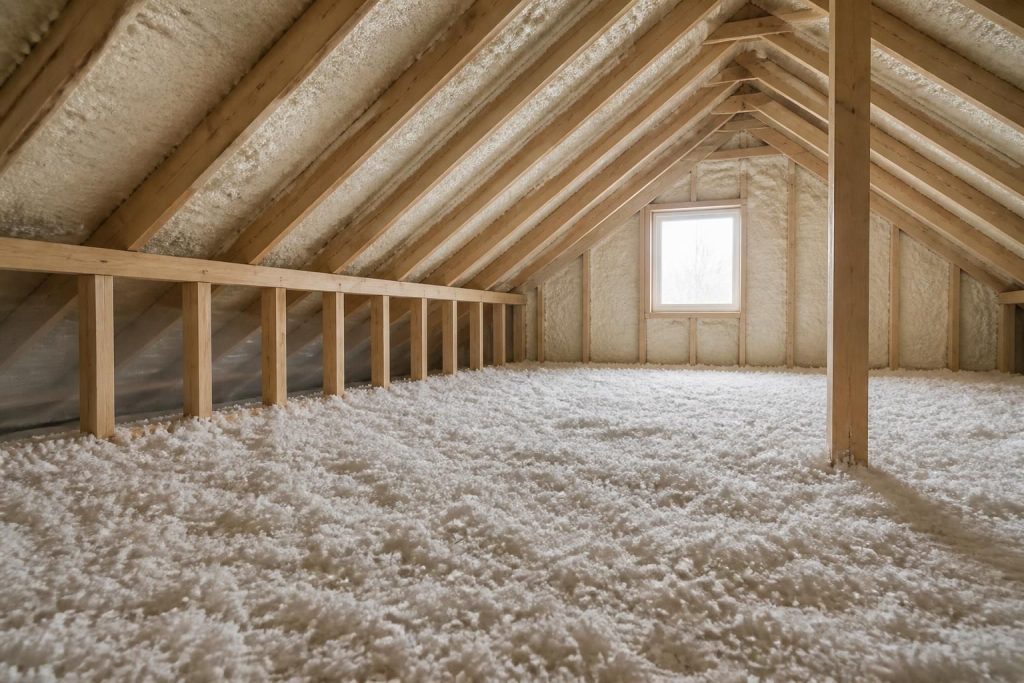
Edmonton Insulation Company helps homeowners, builders and property managers improve building-envelope performance with attic insulation, blown-in cellulose, fibreglass, spray foam and air sealing. We assess R-value, air leakage, thermal bridging and existing insulation to reduce heat loss and drafts while helping control attic frost, condensation and moisture through Alberta winters.
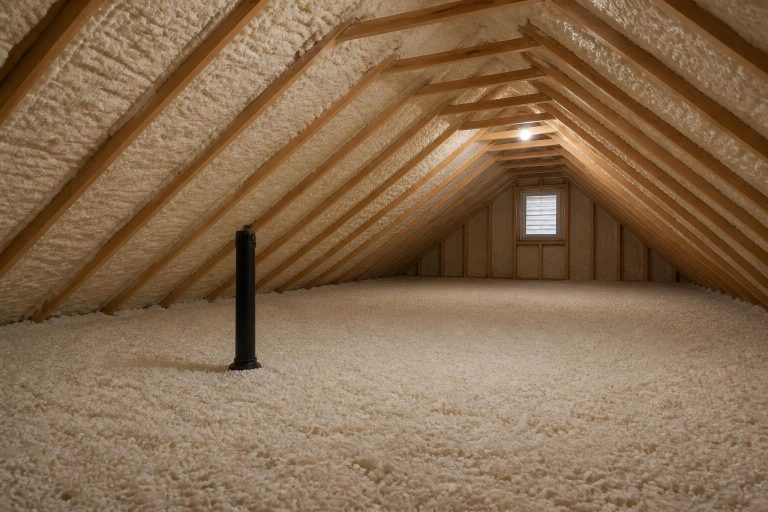
Upgrade attic insulation with blown-in cellulose or fiberglass to increase R-value and reduce conductive heat loss through the ceiling plane. We account for existing insulation depth, attic ventilation, soffit baffles, thermal bridging and air leakage to improve building-envelope performance through Edmonton’s long heating season and extreme winter temperatures.
Learn More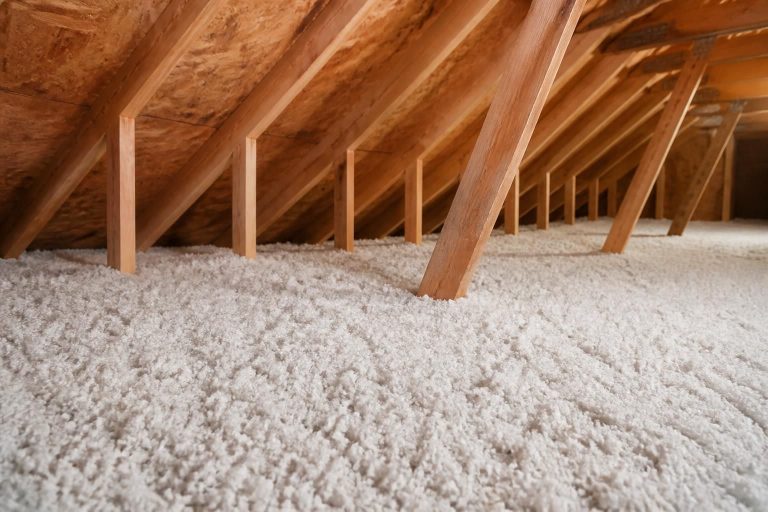
Loose-fill cellulose and fiberglass can be pneumatically installed around joists, framing and irregular attic cavities for more consistent thermal coverage. Blown-in insulation is well suited to Edmonton attic top-ups and selected retrofits, increasing R-value while reducing gaps, thermal bypasses and heat transfer through the building envelope.
Learn More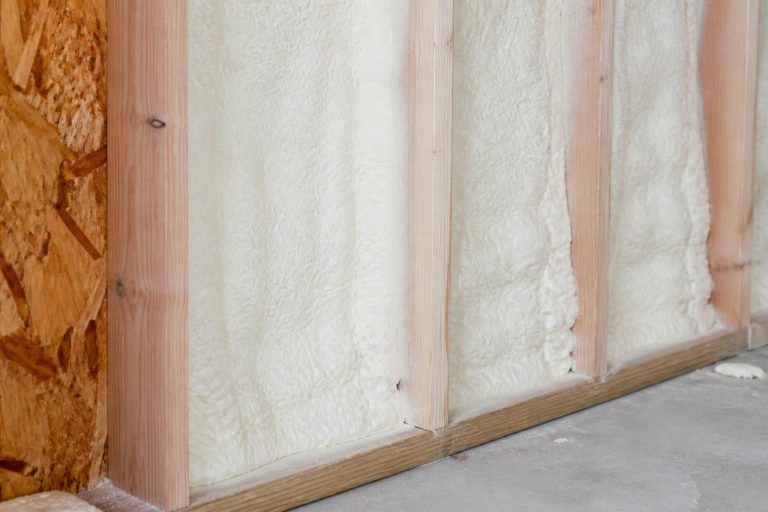
Spray polyurethane foam is applied with proportioning equipment, heated hoses and a spray gun, expanding around framing, rim joists and penetrations to provide insulation and air control. Open- and closed-cell spray foam systems differ in cost, density, thermal resistance and vapour permeance, with the building assembly and performance requirements guiding material selection.
Learn More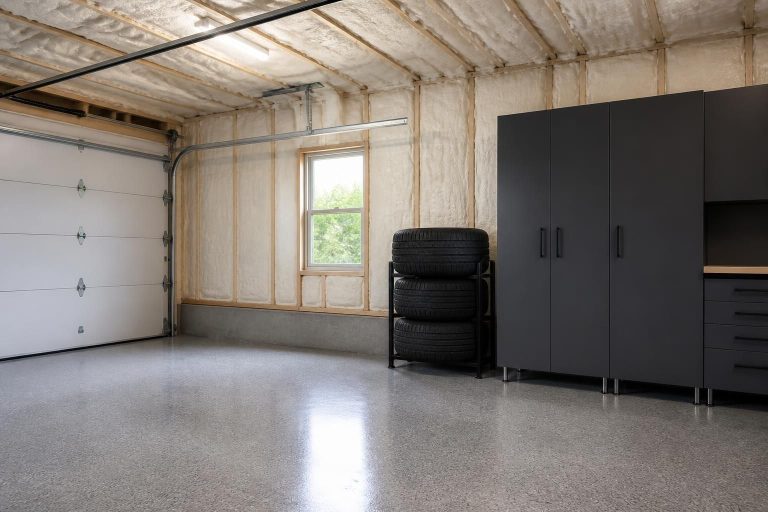
Garage insulation improves thermal performance across exterior walls, ceilings, rim joists and other exposed parts of the building envelope. Fiberglass batts, mineral wool and spray foam can address heat transfer and air leakage, while attached garages require particular attention to shared walls and ceilings separating the garage from conditioned living space during Edmonton’s cold winters.
Learn More
Basement insulation addresses heat loss through concrete foundation walls, rim joists and other below-grade building-envelope assemblies. Rigid foam, mineral wool and spray polyurethane foam can provide thermal resistance where appropriate, while air leakage, vapour control, moisture conditions and thermal bridging must be considered when insulating Edmonton basements.
Learn More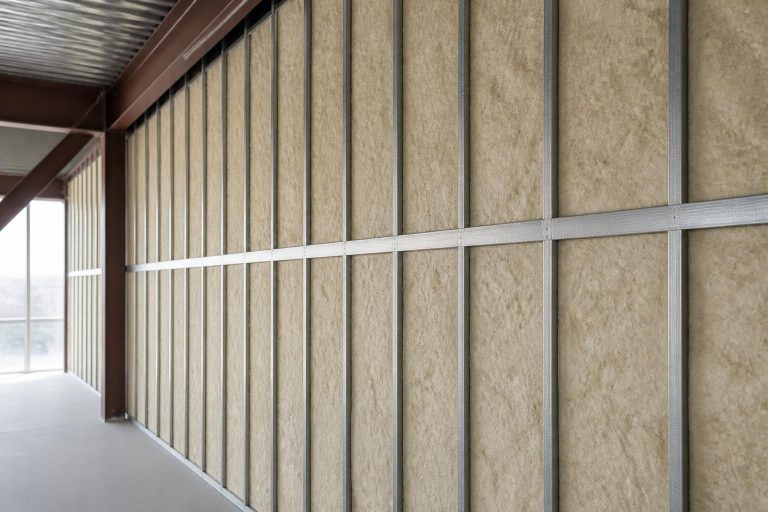
Commercial insulation systems improve thermal and acoustic performance across exterior walls, roof assemblies, mechanical spaces and tenant improvements. Fiberglass, mineral wool, rigid board and spray polyurethane foam can be specified around R-value, air and vapour control, fire-rated assemblies and project requirements for Edmonton offices, retail, industrial and multi-unit buildings.
Learn More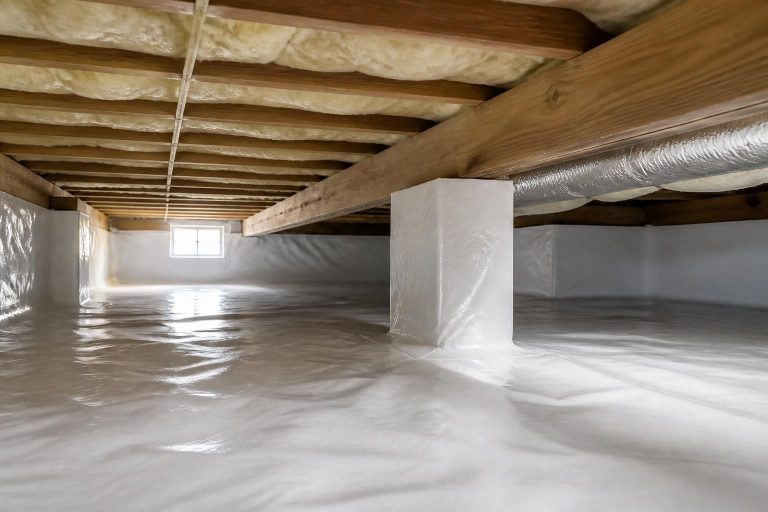
Crawl space insulation addresses heat loss, air leakage and moisture at floor joists, rim joists, foundation walls and other below-grade assemblies. Depending on the crawl space, rigid foam, mineral wool or closed-cell spray foam can provide thermal resistance, while ground moisture, vapour control and air-barrier continuity must be considered for Edmonton’s freeze-thaw conditions.
Learn More
Old, damaged or contaminated attic insulation can be removed using high-powered insulation vacuums, flexible extraction hoses and contained collection systems. Removal exposes the ceiling plane for inspection of air leaks, moisture staining and damaged materials before air sealing and new cellulose, fiberglass or other insulation is installed.
Learn More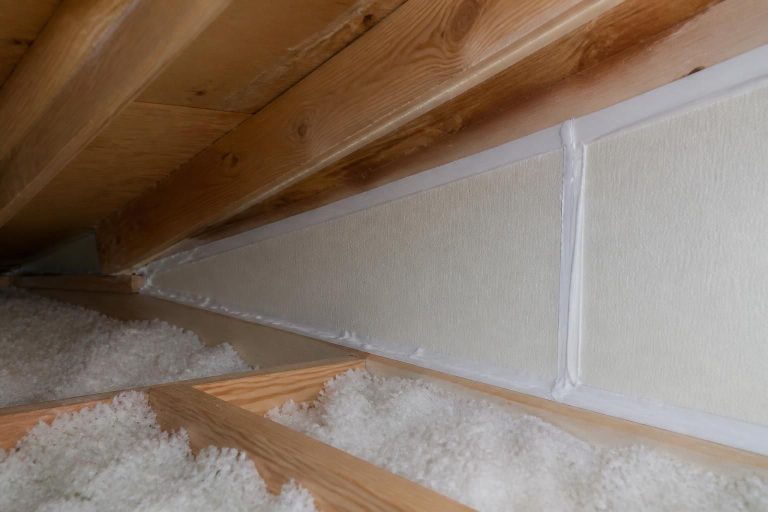
Air sealing targets uncontrolled leakage through attic hatches, wiring and plumbing penetrations, top plates, rim joists and other gaps in the building envelope. Caulking, one-component spray foam, gaskets and weatherstripping can seal these pathways, while blower-door testing and infrared thermography can help identify air leakage and thermal anomalies in Edmonton buildings.
Learn More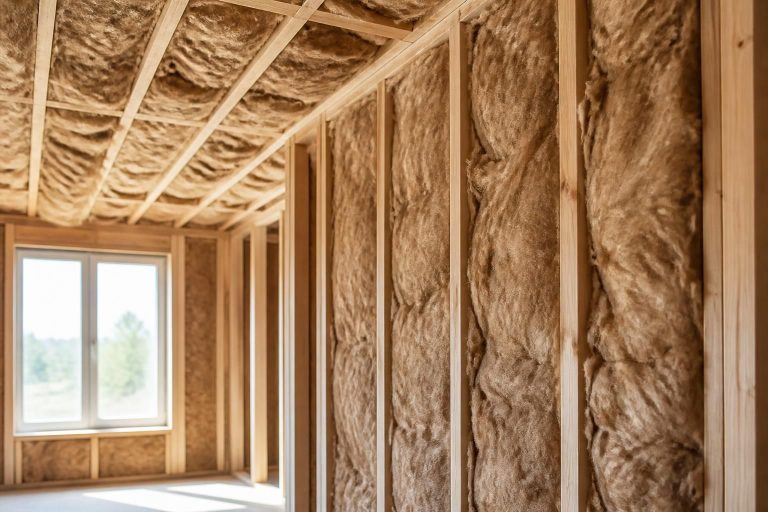
New construction insulation integrates thermal, air and vapour control across wall cavities, rim joists, attic assemblies and penetrations before finishes are installed. Fiberglass, mineral wool, rigid board and spray polyurethane foam can be specified around R-value, framing and building-envelope requirements, with Edmonton housing and small-building projects subject to energy-efficiency provisions under NBC(AE) 2023, including Section 9.36.
Learn More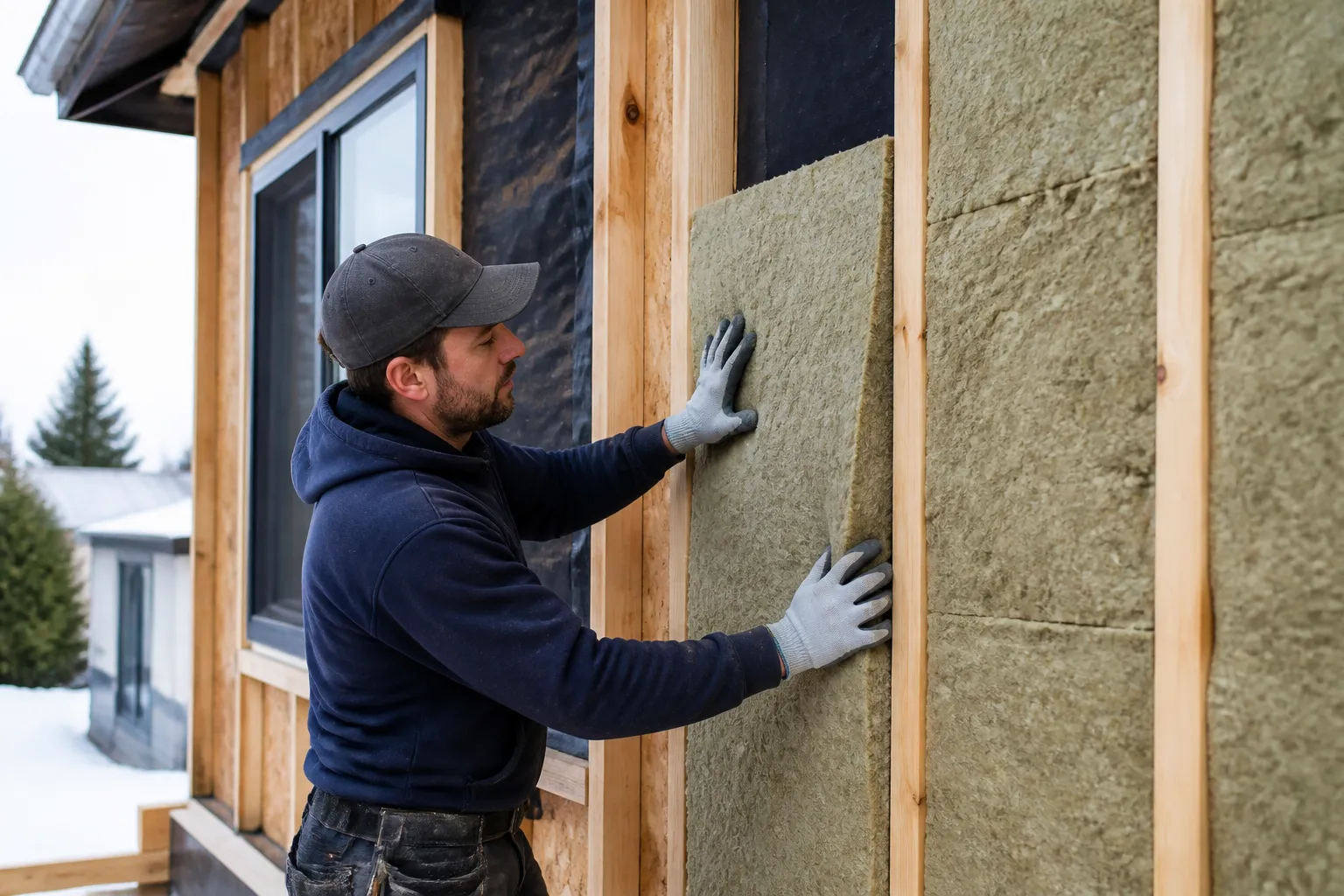
Wall insulation improves thermal resistance within exterior 2×4 and 2×6 framing, where missing, settled or inadequate insulation can contribute to cold surfaces and heat loss. In existing Edmonton homes, infrared thermography can help identify thermal anomalies, while blown-in cellulose may be used to retrofit suitable enclosed wall cavities with less disruption to finished drywall.
Learn More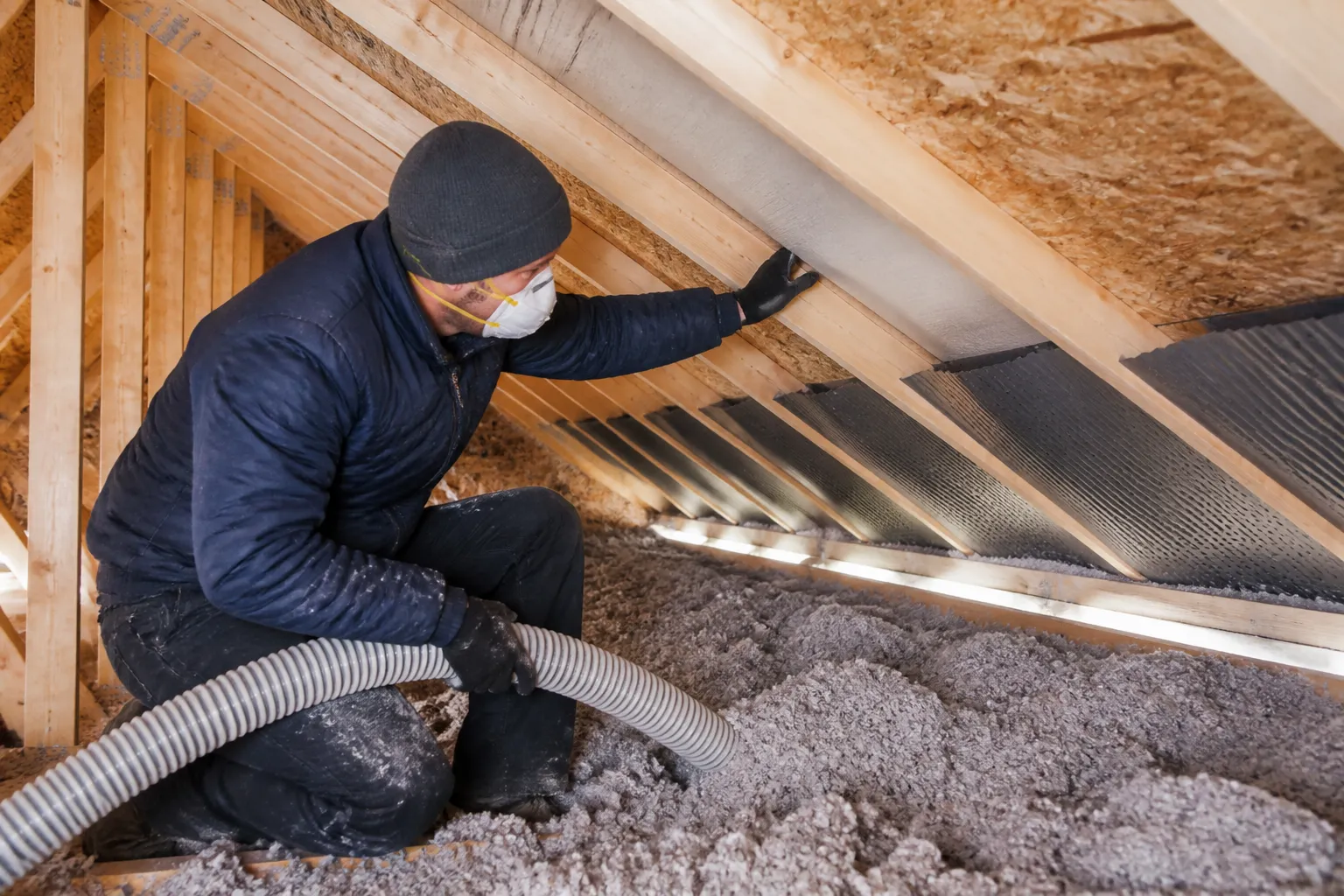
Edmonton’s winter temperature differential and stack effect can drive warm, moisture-laden indoor air through ceiling penetrations and attic bypasses toward cold roof sheathing, where it may condense or freeze as attic frost. Air sealing, insulation upgrades, soffit baffles and attic ventilation can address contributing conditions linked to condensation, attic rain and ice-dam formation.
Learn More
WHY CHOOSE EDMONTON INSULATION COMPANY
With 20+ years of insulation and building experience and more than 2,000 residential and commercial projects completed, our contractors evaluate more than insulation depth alone. We consider R-value, air leakage, thermal bridging, ventilation and moisture conditions before recommending an upgrade.
That experience matters in Edmonton, where a long heating season and large winter temperature differences can expose weaknesses in the building envelope. From attic frost and cold roof sheathing to rim-joist heat loss and ceiling-plane air leakage, recommendations are based on how the building actually performs.
OUR INSULATION PROCESS
We start by understanding where your building is losing heat and why. From assessing existing insulation, air leakage and problem areas to selecting the right material and installation approach, every project is built around what your building actually needs.
We inspect your existing insulation, attic and accessible building areas for low insulation levels, gaps, air leakage and signs of moisture. When needed, thermal imaging can help identify temperature differences and areas of potential heat loss that aren't obvious from a visual inspection.
We recommend insulation based on the building assembly, existing insulation, available cavity depth and areas of heat loss identified during the assessment. Target R-value is considered alongside material type, installation thickness and the space available, not treated as a number in isolation.
Before installation begins, we protect surrounding surfaces and confirm safe access to the spaces being insulated. Depending on the insulation system, preparation may include setting up blowing or spray equipment, establishing required ventilation, sealing accessible air leakage points, and checking cavities or substrates for moisture, debris and conditions that could affect installation.
Our crews use material-specific equipment and techniques, from blowing machines and hoses for loose-fill cellulose or fiberglass to spray rigs, proportioners and heated hoses for spray foam. Depth, density, lift thickness and coverage are controlled for the material being installed, following manufacturer specifications and applicable installation standards such as CAN/ULC-S705.2 for medium-density spray polyurethane foam.
INSULATION COST GUIDE
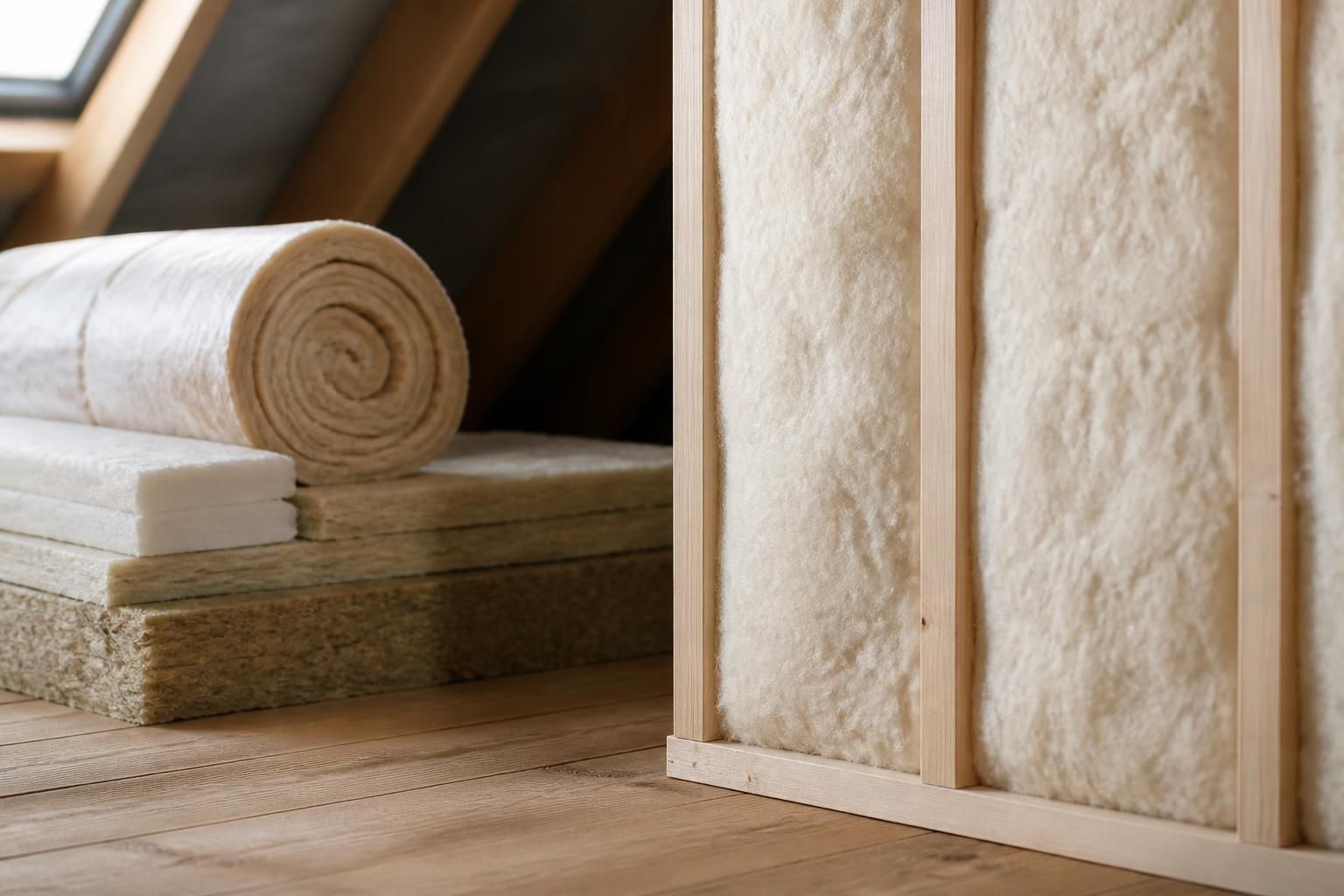
Insulation costs in Edmonton depend on more than square footage. The area being insulated, existing insulation, material, required depth or thickness, accessibility, air sealing and preparation all affect the final price. Attic insulation is often one of the more straightforward upgrades, while wall retrofits and spray foam applications can require more labour and specialized equipment.
Typical Installed Cost Ranges
$1.50–$3.00 / sq. ft.
$2.00–$3.50 / sq. ft.
$1.25–$2.50 / sq. ft.
$1.40–$4.00 / sq. ft.
$3.50–$7.00+ / sq. ft.
Attic top-ups generally cost less than full removal and replacement. Wet, mould-damaged or rodent-contaminated insulation may require removal, containment and disposal before new material is installed, while suspected vermiculite or asbestos-containing materials should be assessed before work proceeds.
Material cost varies with coverage, installed density and product yield. Loose-fill cellulose and fibreglass are blown into open attics or enclosed cavities, while batts require cutting and fitting around framing, wiring and services. Spray foam adds specialized application, substrate preparation and curing requirements, including lift thickness, recoat windows and cure time between passes.
Attic preparation may include sealing gaps around top plates, plumbing or electrical penetrations and the attic hatch before insulation is added. Soffit baffles, weatherstripping, recessed fixtures and ventilation pathways may also need to be inspected or addressed, adding materials and labour to the project.
Open attics offer easier access than finished walls, cathedral ceilings, rim joists or concealed cavities. Stud and joist spacing, cavity depth, mechanical obstructions and existing finishes can limit installation access or material options, while assemblies requiring continuous insulation or dense-pack installation may involve additional labour and detailing.
Pricing shown is intended as a general planning guide. Actual insulation costs vary based on project size, existing conditions, material, accessibility, preparation and installation requirements. An on-site assessment is required for an accurate quote.
Service Areas
Edmonton Insulation Company serves homes and commercial buildings throughout Edmonton and surrounding communities. Our service area extends across the Edmonton region, including St. Albert, Sherwood Park, Spruce Grove, Leduc, Beaumont, Fort Saskatchewan and nearby communities.
FAQ
The right R-value depends on where the insulation is installed and how the building assembly is constructed. Attics and roof-ceiling assemblies generally require greater thermal resistance than walls or below-grade assemblies. Existing insulation, framing, thermal bridging and available cavity depth also affect effective R-value, so we assess the complete assembly rather than recommending one R-value for every Edmonton home.
Yes. If old, damaged, or ineffective insulation needs to be removed first, we can handle removal and prepare the space for new insulation.
Air sealing helps reduce drafts and heat loss by closing gaps where air moves through the building envelope. It often improves the performance of the insulation that follows.
Common signs include uneven temperatures, high heating bills, ice dams, drafts, and insulation levels that sit below current recommendations for the space and climate.
Signs can include shallow or uneven insulation, exposed joists, compressed material, cold ceiling areas, high winter heating use, attic frost or recurring ice dams. An attic inspection can check insulation depth and coverage while also looking for air leakage, blocked ventilation and moisture that should be addressed before adding a top-up.
Existing insulation can often remain in place if it is dry, clean and in suitable condition, allowing cellulose or fibreglass to be added as an attic top-up. Removal may be needed when insulation is wet, mould-damaged, compressed or contaminated by rodents. Suspected vermiculite should not be disturbed until the potential for asbestos has been properly assessed.
In many cases, improved insulation and air sealing can help reduce condensation, cold surfaces, and moisture-related problems. We look at the full assembly before recommending a solution.
Insulation slows heat transfer, but it does not necessarily stop air movement. Sealing gaps at wall top plates, plumbing stacks, wiring, light fixtures and attic hatches helps maintain a continuous air barrier before new insulation is installed. This reduces drafts and limits warm, moisture-laden indoor air from reaching cold attic surfaces where condensation or frost can develop.
Open-cell spray foam has a lighter, softer structure that expands to fill cavities, while closed-cell foam is denser and provides greater thermal resistance at a given thickness. Closed-cell products also have lower vapour permeance and greater rigidity. The appropriate foam depends on the building assembly, available cavity depth, moisture-control strategy and required thermal performance.
Yes, but insulation is only part of the solution. Air sealing and adequate insulation help keep heat and moisture out of the attic, maintaining a colder roof deck. This reduces snowmelt that can refreeze at the eaves as ice dams and limits moisture reaching cold roof sheathing where attic frost can form. Soffit baffles and unobstructed ventilation pathways also help manage attic conditions.
Insulation can help reduce condensation by keeping interior surfaces warmer, but moisture problems should be diagnosed before adding more material. Air leakage, indoor humidity, roof or flashing leaks, blocked attic ventilation and discontinuities in the air or vapour barrier can all contribute to moisture. Wet insulation should not be covered until the moisture source is corrected and the material has dried.
Insulation can remain effective for decades when it stays dry, properly installed and undisturbed. Performance can decline when loose-fill settles, batts become compressed or displaced, or insulation is affected by moisture, mould, pests or building work. Rather than replacing insulation based on age alone, its depth, coverage and condition should be inspected to determine whether a top-up, repair or replacement is needed.
Start Here
Tell us about your attic, walls, garage, basement, crawl space, or commercial property. We will help you understand the best insulation approach for comfort, efficiency, moisture control, and long-term performance.